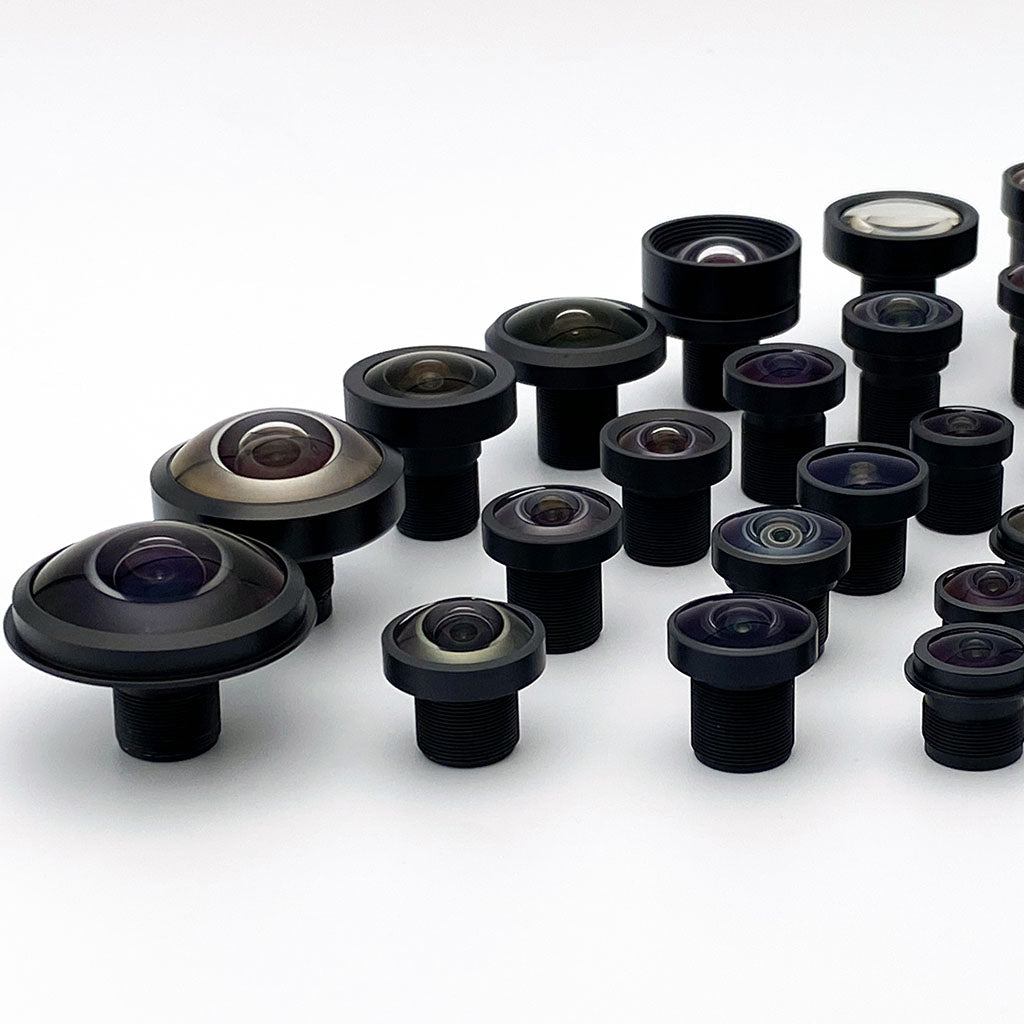

MTF 테스트 (렌즈)
렌즈 해상도 특성 분석을 위한 Trioptics HR2를 이용한 변조 전달 함수(MTF) 측정
화질 테스트는 카메라 모듈과 렌즈가 해상도, 색상 정확도, 다이내믹 레인지, 잔광에 대한 성능 요건을 충족하는지 검증하는 일련의 광학 측정 절차입니다.
Our San Diego facility provides camera image quality testing services for camera modules, lenses, and imaging systems. From bench MTF testing and camera eSFR per ISO 12233 to colorimetry and dynamic range measurement, our in-house equipment delivers traceable results with full documentation. Customers are welcome to visit our facility to observe testing in progress.

당사의 샌디에이고 테스트 연구소는 광학 성능을 검증하기 위한 카메라 및 렌즈 화질 테스트 장비를 갖추고 있습니다. MTF 테스트부터 색도 측정에 이르기까지, 자동차, 산업, 로봇 공학 및 머신 비전 분야의 다양한 응용 분야를 지원합니다.
렌즈 해상도 특성 분석을 위한 Trioptics HR2를 이용한 변조 전달 함수(MTF) 측정
ISO 12233 edge Spatial Frequency Response testing for camera module spatial frequency response
ISO 15739에 따른 단일 노출 및 HDR 시스템의 신호대잡음비 및 다이나믹 레인지
ISO 9358에 따른 점광원 및 다크 월드 기법을 이용한 베일링 글레어 및 고스트 이미지 분석
Color accuracy measurement using X-Rite ColorChecker, with Delta E reported alongside illuminant, geometry, and formula
D65, 광원 A 및 TL84 조명 조건 하에서의 AWB 평가
야간 투시 및 감시를 위한 근적외선 파장 대역에서의 화질 특성 분석
eSFR 분석을 이용한 전체 화각 영역에 걸친 횡방향 색수차 측정
보정 데이터 내보내기 기능을 갖춘 광각 및 어안 렌즈의 기하학적 왜곡 특성 분석
저희 연구소는 초기 상담부터 최종 보고서 작성에 이르기까지, 귀하의 시험 계획을 추적 가능한 결과물로 만들어 드립니다. MTF 시험, 색도 측정, 또는 동적 범위 평가 등 어떤 시험이 필요하든, 모든 측정 결과를 상세히 기록합니다.
당사의 엔지니어링 팀과 함께 테스트 표준, 승인 기준 및 샘플 수량을 정의하십시오. MTF 요구 사항, ΔE 임계값 또는 다이나믹 레인지 목표치를 명시하십시오.
초기 화질 특성 분석을 통해 성능 기준치(MTF 곡선, 색 재현 정확도, 왜곡 맵)를 설정합니다.
샘플은 교정된 장비를 사용하여 해상도, 색도, 다이나믹 레인지, 잔광 등을 포함한 지정된 화질 테스트를 거칩니다.
MTF 곡선, ΔE 값, SNR 데이터 및 합격/불합격 분석이 포함된 테스트 보고서. 고객 시스템에 사용할 수 있도록 원시 데이터 내보내기 기능 제공.
화질 테스트는 유료 계약 서비스입니다. 요금은 고객님의 구체적인 요구 사항에 따라 맞춤형으로 책정됩니다:
견적서는 항목별로 명확하게 가격이 명시되어 있으며, 숨겨진 수수료는 없습니다. 시설을 직접 둘러보시고 프로젝트에 대해 대면 상담을 하실 수 있습니다.
맞춤형 견적 받기We measure lens MTF (Modulation Transfer Function) on our Trioptics HR2 bench, which provides high-accuracy MTF data at on-axis and off-axis field positions across multiple spatial frequencies. For complete camera systems, we measure resolution using the slanted-edge method per ISO 12233. ISO 12233 defines camera resolution and SFR measurement procedures, so it scopes the camera work only; the lens-only bench MTF is a separate measurement made to the Trioptics protocol, and the two results are not interchangeable.
For camera modules, we perform eSFR (edge Spatial Frequency Response) testing using standardized test charts. This measures the system's spatial frequency response and lateral chromatic aberration across the full image field. It is a response measurement, not a sharpness score: perceived sharpness also depends on tone mapping, edge overshoot, noise, and viewing conditions, so we report the SFR curve with the capture settings that produced it.
| 테스트 | 장비 / 방법 |
|---|---|
| Lens MTF (lens only) | Trioptics HR2 bench |
| 카메라 모듈 eSFR | ISO 12233 차트, 경사 모서리 측정법 |
| 필드 포지션 | 센터, 0.7 필드, 코너 |
| Standards (camera eSFR) | ISO 12233, IEEE P1858 |
산란광은 영상의 명암비를 저하시키고, 고동적범위(HDR) 장면에서 눈에 띄는 아티팩트를 유발할 수 있다. 본 연구에서는 점광원 및 확장광원 기법을 활용하여 베일링 글레어(전반적인 명암비 저하)와 고스트 이미지를 모두 특성 분석한다.
당사의 암실 투과율 시험 설비는 다양한 각도에서 밝은 광원이 유발하는 플레어 현상의 기여도를 측정합니다. 점광원 시험을 통해 내부 반사로 인한 특정 고스트의 위치와 강도를 파악합니다.
| 테스트 | 방법 |
|---|---|
| 가려진 눈부심 | 투과형 다크 월드 구성 |
| 고스트 이미징 | 점원각도 스윕 |
| 테스트 각도 | 축상 ~ 시야 가장자리 |
| 출력 | 유령 위치, 강도 맵 |

색 정확도 테스트는 표준화된 컬러 체커 차트를 사용하여 색 재현의 정확도를 측정합니다. 우리는 CIE Lab 색 공간에서 색 오차를 정량화하고, 다양한 광원 조건 하에서 화이트 밸런스의 정확도를 평가합니다.
A chart and a Delta E number are not a method on their own. Every result we issue carries the reference values used for the chart patches, the illuminant and its calibration, the chart and camera geometry, the exposure and flare conditions, whether the capture was raw or processed, the working color space and white point, and which Delta E formula was applied. Change any of those and the number changes.
다이나믹 레인지 테스트는 노이즈 플로어부터 포화까지의 사용 가능한 신호 범위를 파악하는 것입니다. 여러 노출 모드를 지원하는 카메라의 경우, 단일 노출 다이나믹 레인지와 HDR(고다이나믹 레인지) 성능을 모두 평가할 수 있습니다.
| 테스트 | 방법 |
|---|---|
| 색 재현 정확도 | X-Rite ColorChecker, ΔE 측정 |
| 화이트 밸런스 | D65, A, TL84 광원 |
| 동적 범위 | 계단형 밀도 타겟 |
| 일루미네이션 | VIS, 850nm, 940nm 광원 |

저희 샌디에이고 시험실에는 MTF 측정 시스템, 색도 측정 장비, 잔광 시험대 등 전문적인 광학 계측 장비가 구비되어 있습니다. 견학을 예약하시면 저희 시설의 역량을 직접 확인해 보실 수 있습니다.
광학 벤치: MTF 측정
ISO 12233 해상도 시험
색상 정확도 기준 차트
단계별 밀도 타겟 테스트
고스트 및 플레어 분석 테스트
보정된 주광 광원
근적외선 검사
은밀한 근적외선(NIR) 카메라 테스트
텅스텐 화이트 밸런스 테스트
형광등 조명 시험
화질 분석
기하학적 교정 표적
저희 장비가 실제로 작동하는 모습을 보고 싶으신가요?
요구 사항에 대해 논의해 주세요국제 표준 및 산업별 표준에 따라 테스트를 수행하였으며, 관련 문서를 모두 갖추고 있습니다.
저희 연구실은 투명한 가격 정책, 카메라 및 렌즈에 대한 전문 지식, 그리고 MTF 테스트와 색도 측정을 포함한 화질 테스트 역량을 제공합니다.
당사의 MTF 측정 시스템, 색도 측정 장비 및 잔광 시험 장비가 실제로 작동하는 모습을 직접 확인하실 수 있도록 견학 일정을 예약해 주십시오. 고객 여러분을 연구소로 모시고 테스트 과정을 참관하시며 당사의 역량에 대한 신뢰를 쌓으실 수 있도록 환영합니다.
저희 연구실은 M12 렌즈를 비롯한 카메라 및 렌즈를 전문으로 다루며, MTF, 해상도, 화질 검증 서비스를 제공합니다. 심도 있는 광학 공학 전문 지식을 바탕으로 귀사의 용도에 맞춰 결과를 정확하게 해석할 수 있도록 도와드립니다.
귀사가 요구하는 표준에 따라, 문서화된 절차, 교정된 장비 인증서 및 추적 가능한 결과가 포함된 당사 실험실의 시험 보고서입니다.
고객님의 요구 사항에 따라 당사 연구소에서 맞춤형 견적을 제공해 드립니다. 숨겨진 비용이 없는 투명한 가격 정책으로, 어떤 항목에 비용이 발생하는지 정확히 파악하실 수 있습니다.
카메라 및 렌즈에 대한 MTF 테스트, 색도 측정, 다이내믹 레인지 측정 및 기타 화질 테스트를 포함한 당사의 서비스에 관한 자주 묻는 질문입니다.
MTF (Modulation Transfer Function) testing quantifies how well a lens or camera system reproduces contrast at different spatial frequencies. Higher MTF at a given spatial frequency and field position means better contrast reproduction of that detail; comparing sharpness requires the full MTF curve across the field.
MTF is one input to task performance rather than a predictor of it: whether a barcode decodes or a detector fires at range also depends on sampling and aliasing, SNR, exposure and motion, distortion, the processing chain, and the target's own contrast. We measure lens MTF on our Trioptics HR2 bench, which is a lens-only measurement, and complete camera systems using the slanted-edge (eSFR) method per ISO 12233, providing data at multiple field positions from center to corner, under photopic and 850nm NIR illumination.
MTF testing typically refers to lens-only measurements using specialized optical equipment like our Trioptics HR2, where the lens is tested in isolation without a sensor. eSFR (edge Spatial Frequency Response) testing per ISO 12233:2017 measures the complete camera system including lens, sensor, and image processing. The two are related but not interchangeable.
Sharpening in the ISP produces edge overshoot that can drive the measured SFR above unity, which no optical MTF can do, so an SFR figure only means something alongside the capture state (raw or processed, sharpening and noise reduction settings) and the edge-analysis parameters used to compute it.
We measure color accuracy using X-Rite ColorChecker charts and calculate Delta E (ΔE) using the CIEDE2000 formula in CIE Lab color space. The familiar numbers, ΔE 1 as a just-noticeable difference and ΔE below 3 as consumer-acceptable, are rules of thumb rather than thresholds: perceptibility depends on which ΔE formula was used, where the color sits in the space, the viewing or display conditions, and the size of the patch.
A medical or color-sorting application sets its tolerance from the task or the applicable standard, not from a general figure. A ΔE result also means little without the reference values, illuminant, geometry, capture state, and formula reported beside it. We test under multiple illuminants (D65, A, TL84) to characterize AWB performance across lighting conditions.
미광은 렌즈 표면 간의 원치 않는 반사, 센서에서 렌즈를 통해 다시 반사되는 빛, 그리고 광학 코팅이나 렌즈 배럴 표면에서의 산란으로 인해 발생합니다. 특히 고스트 현상은 밝은 광원이 2차 반사를 일으켜 센서 상에 초점이 맞거나 반쯤 초점이 맞은 이미지를 형성할 때 발생합니다. 자동차용 카메라의 경우, 하루 중 태양의 각도에 따라 보행자나 도로 표지판을 가리는 고스트 현상이 발생할 수 있으므로 이는 매우 중요한 문제입니다. 당사는 ISO 9358 표준에 따라 베일링 글레어(명암비 저하)와 개별 고스트 위치를 모두 특성 분석합니다.
네, 감시, 운전자 모니터링 및 야간 투시 응용 분야를 위해 당사는 850nm 및 940nm 파장에서 완벽한 화질 특성 분석 서비스를 제공합니다. 여기에는 MTF/해상도 테스트, 동적 범위 측정, 그리고 근적외선(NIR) 조명 하에서의 감도 평가가 포함됩니다. 가시광선에 최적화된 많은 카메라들은 렌즈의 색수차에 의한 초점 이동과 센서의 스펙트럼 응답 변동으로 인해 근적외선(NIR) 환경에서는 다른 성능을 보입니다. 주야간 모두에서 작동해야 하는 시스템의 경우, 근적외선(NIR) 테스트는 필수적입니다.
시료 수량은 귀사의 시험 계획 및 통계적 요구 사항에 따라 달라집니다. 개발 시험의 경우, 일반적으로 시험 조건당 3~5개의 시료를 사용합니다. 자동차 또는 군사 표준에 따른 인증 시험의 경우, 시료 수는 해당 표준에 따라 지정됩니다. 당사는 요구 사항 검토 단계에서 시료 계획에 대한 조언을 드릴 수 있습니다. 이미지 품질 시험은 일반적으로 비파괴 시험이므로, 시험 후 시료를 반환받아 다시 사용할 수 있다는 점을 유의하시기 바랍니다.
저희 연구실에서는 MTF 테스트, 색도 측정, 다이나믹 레인지 측정 및 화질 테스트를 유료 서비스로 제공하고 있습니다. 샌디에이고 시설에서 진행될 프로젝트에 대해 논의하시려면 엔지니어링 팀에 문의해 주시기 바랍니다.